Melbourne Corporate Event Photography & Videography: What High-End Event Coverage Actually Looks Like in 2026
Corporate events in 2026 don’t just live in the room anymore. They live on LinkedIn before the keynote finishes, on internal comms before the last session wraps, and on sponsor decks before the chairs are even stacked. In Melbourne especially, expectations have shifted. Event content is no longer a record of what happened — it’s a tool that shapes how a brand is seen in real time.
So the question is no longer whether an event is covered, but what that coverage is actually designed to do.
High-end corporate event photography and videography today looks less like documentation and more like storytelling with intent. For a long time, event photography was defined by volume and completeness. You arrived, you captured everything, and you delivered it after the fact. Wide shots of the room, key speakers on stage, handshakes, group photos. That model still exists, but it no longer reflects how modern brands use content.
Today, Melbourne businesses, agencies, and national organisations are thinking very differently. The conversation is no longer just about what was captured, but what can be published during the event, how it supports the brand narrative immediately, and what stakeholders, sponsors, and audiences will see while the event is still unfolding. In that sense, events have become content systems rather than isolated moments.
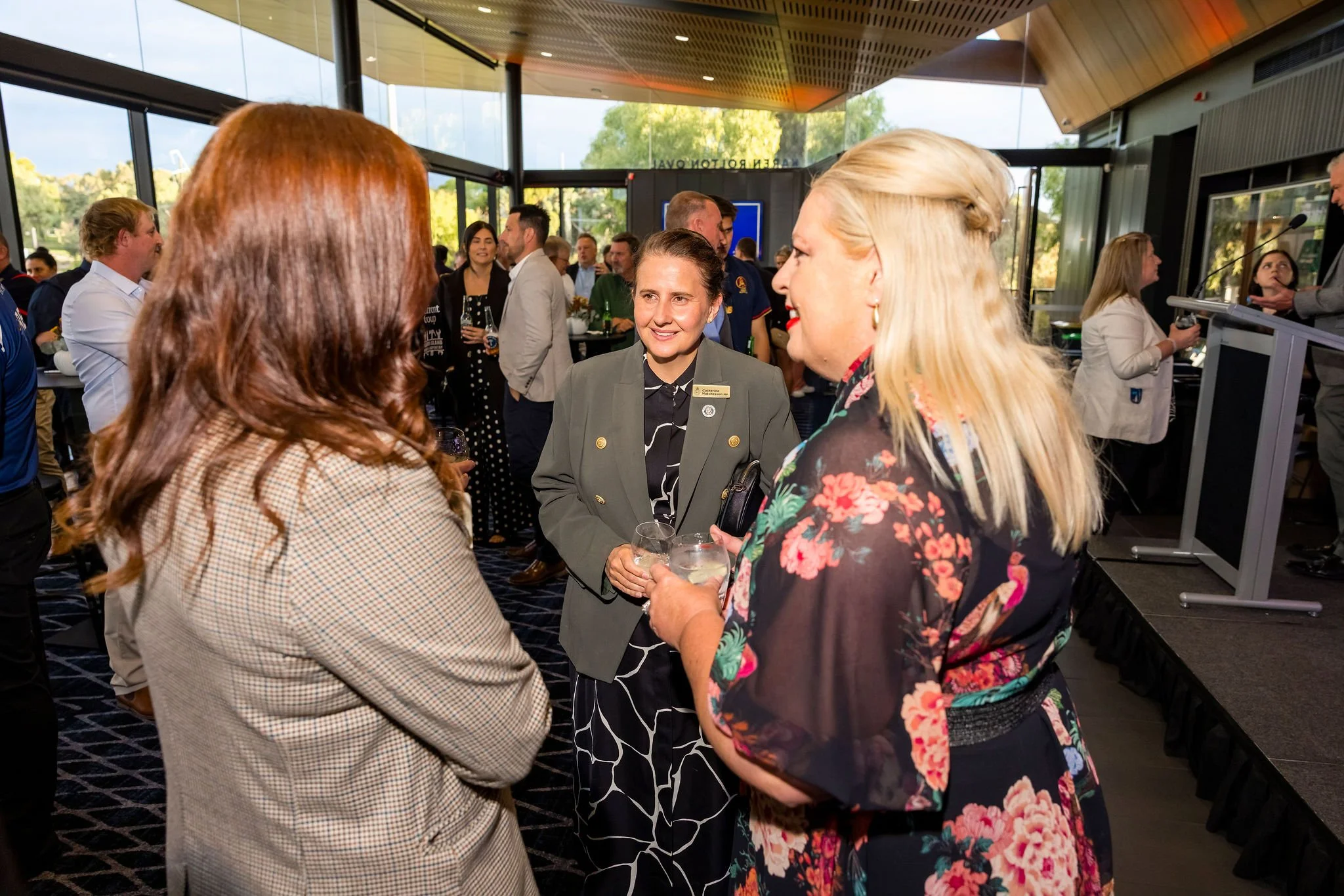
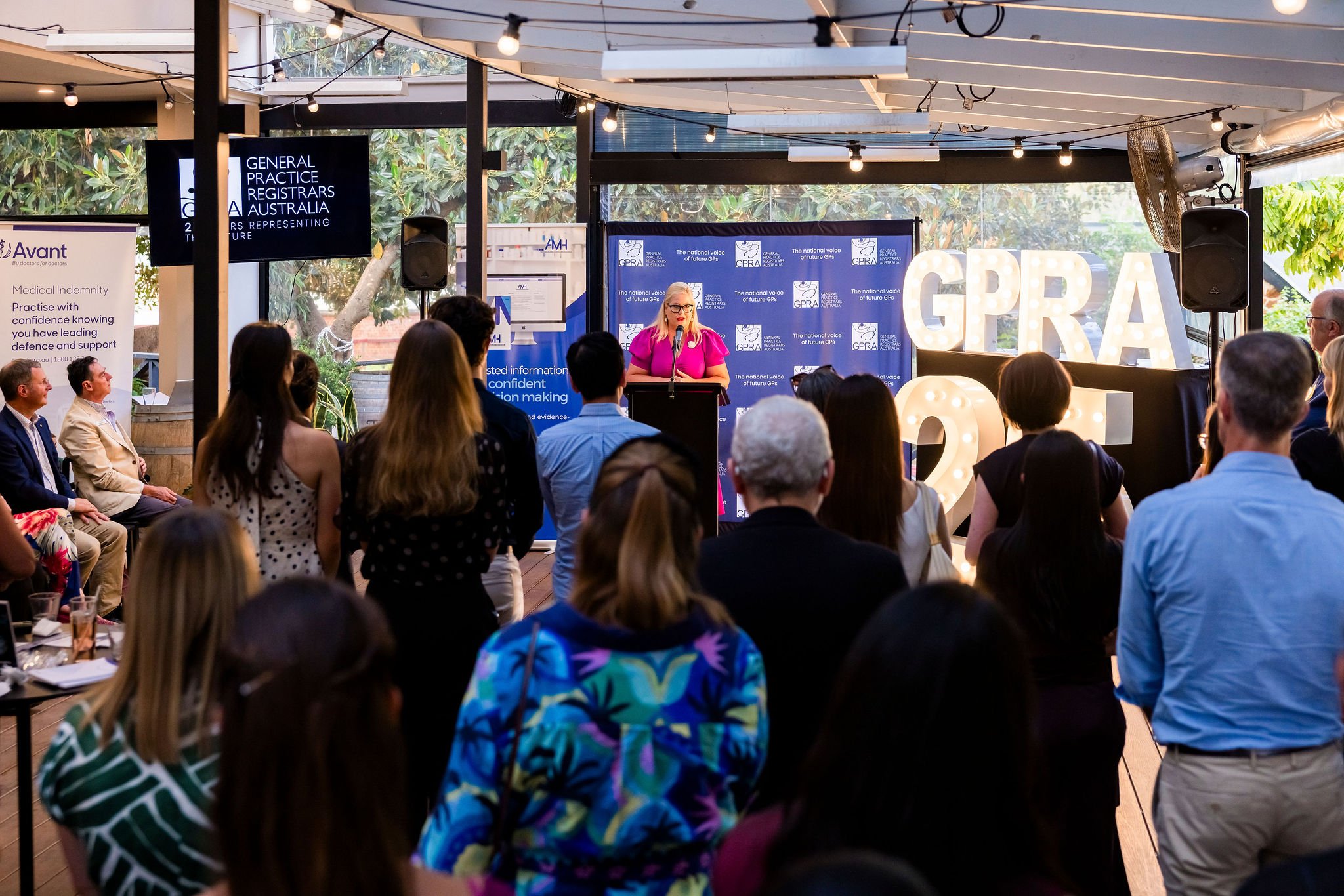
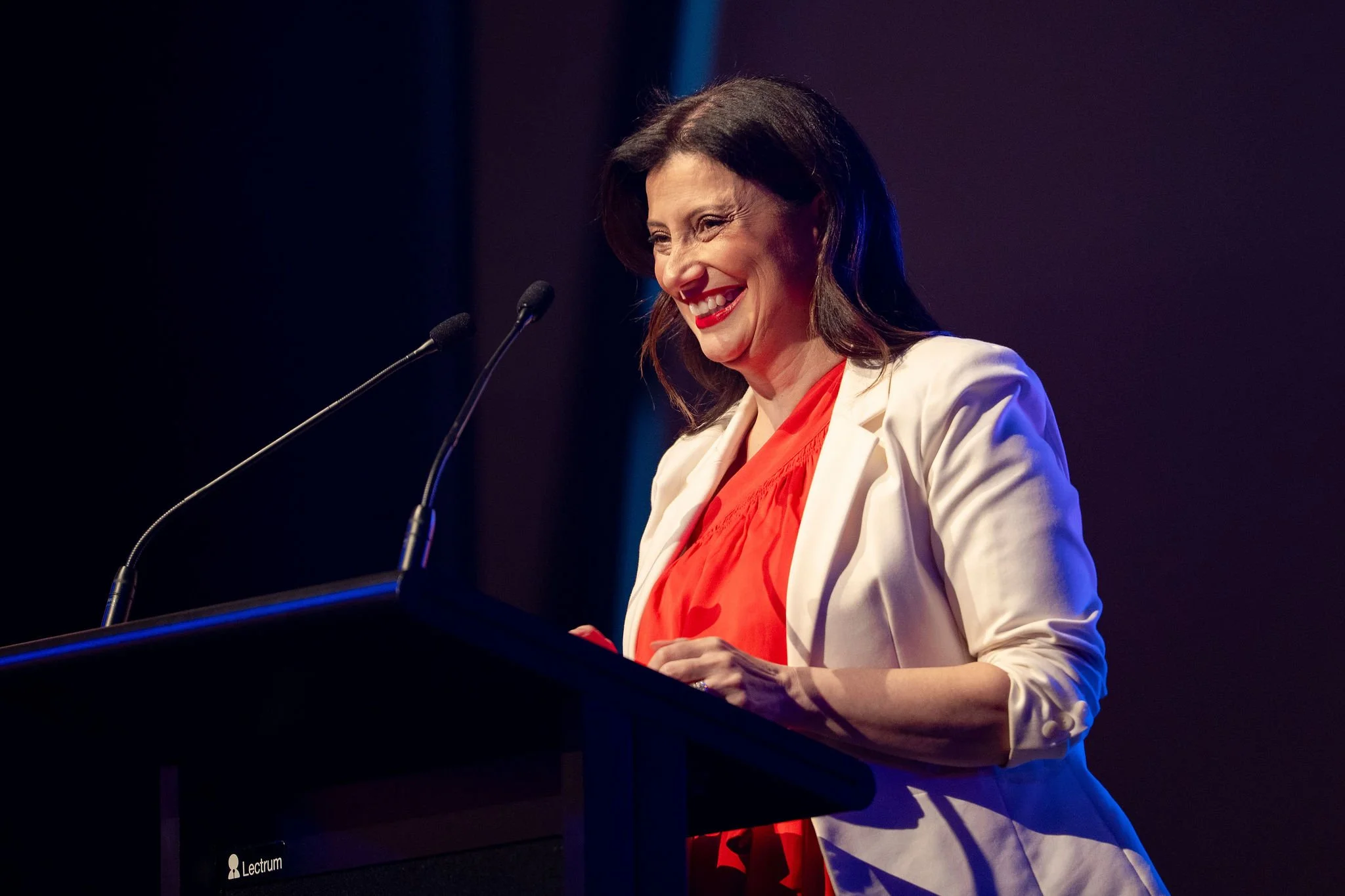
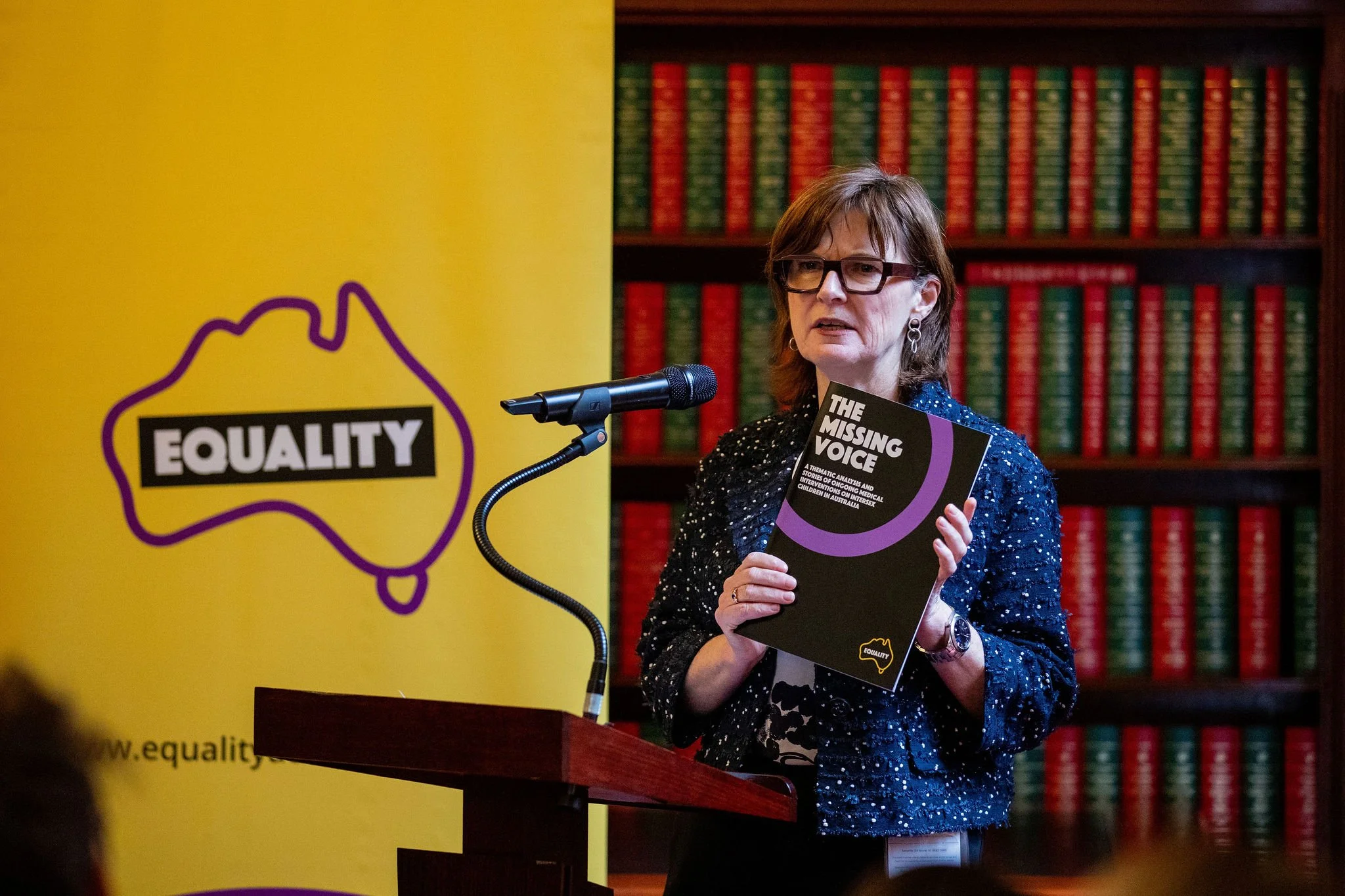
From our experience working across corporate events, government programs, and multi-day conferences both in Australia and internationally, this shift is consistent. The expectations are higher, the timelines are tighter, and the role of the photographer or videographer has expanded beyond capture into real-time storytelling. High-end coverage now is defined not by how much content is delivered, but by how effectively it performs for the brand.
The first shift is toward story-first photography. This means focusing less on isolated moments and more on narrative flow. Audience reactions matter as much as speakers. Movement between sessions becomes as important as the sessions themselves. Atmosphere, energy, and detail carry equal weight to key milestones. The goal is simple but demanding: someone who wasn’t there should still understand what it felt like to be there. This is where experience matters, not just in technical execution, but in anticipating moments before they happen and understanding how they fit into a larger story.
The second shift is real-time content delivery. Increasingly, event coverage in Melbourne now includes edited selects delivered during the event itself, social-ready imagery turned around within hours, and on-site curation aligned directly with marketing teams who are publishing live. This changes the entire dynamic of an event. Marketing teams are no longer waiting for content to arrive after the fact — they are actively distributing it while the event is still in motion. The event becomes a live media environment rather than a closed experience.
The third evolution is in highlight films. Where once they functioned as simple recaps, they are now designed as closing narrative pieces — emotional summaries that serve sponsors, stakeholders, and brand channels simultaneously. Often delivered same-day or within 24 hours, these films rely on capturing not just what happened, but the emotional arc of the event while it is still fresh. That requires a production approach built for speed, narrative clarity, and adaptability under pressure.
Alongside this is a more layered approach to storytelling overall. High-end event coverage now considers multiple perspectives within a single event: keynote moments, audience engagement, networking energy, environmental branding, and the smaller human details that often define the tone of the experience. Together, these elements create a full narrative system rather than a simple record.
Across Melbourne, this shift is being driven by a few clear pressures. Content needs to perform immediately, particularly across LinkedIn, internal communications, and sponsor channels. Events themselves are no longer just internal milestones but have become brand activations, recruitment tools, and reputation-building moments. At the same time, agencies are competing on speed and responsiveness, with turnaround time now forming part of the perceived quality of delivery.
Despite this, much of the industry still operates on an older model. Content is delivered days or weeks later, often without consideration for how it will be used. It is not always designed for platforms, and it rarely supports live marketing workflows. The result is often strong imagery that is underutilised, not because it lacks quality, but because it lacks alignment with how events function today.
Our approach has been shaped directly by working in these environments. The focus is simple: if the content can’t be used immediately, it is already late. That principle informs how we work with brands, agencies, and organisations across corporate events, government programs, and destination-based projects. It includes capturing events as unfolding stories rather than isolated moments, delivering selected content during the event where required, and producing highlight films that are designed to extend the emotional and commercial impact of the event beyond the room.
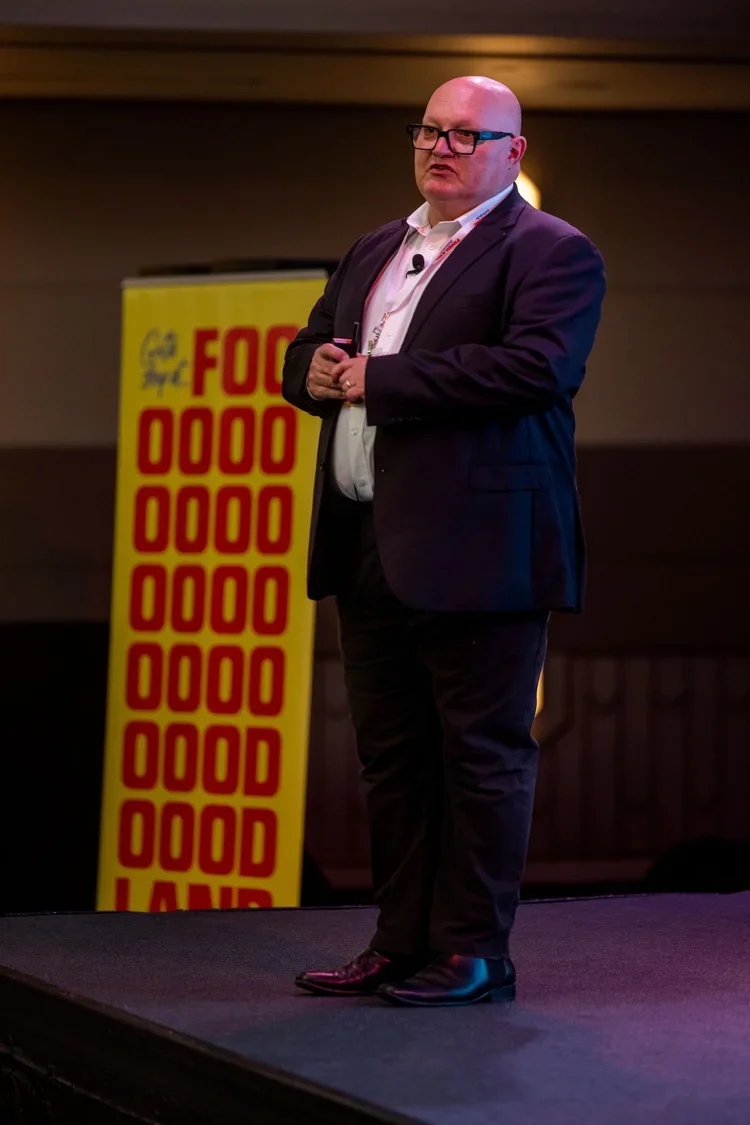
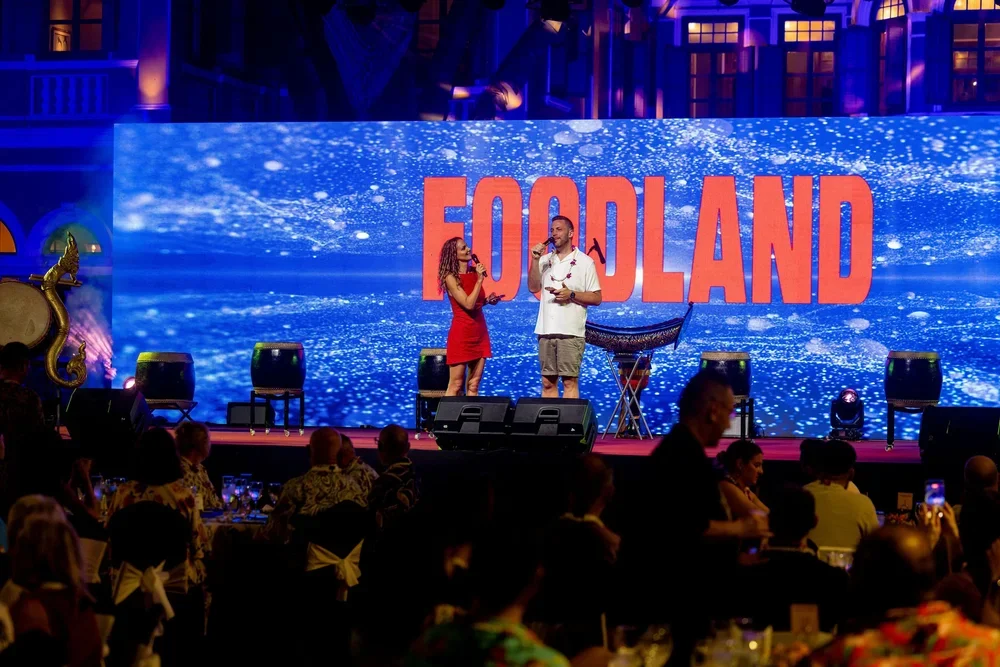
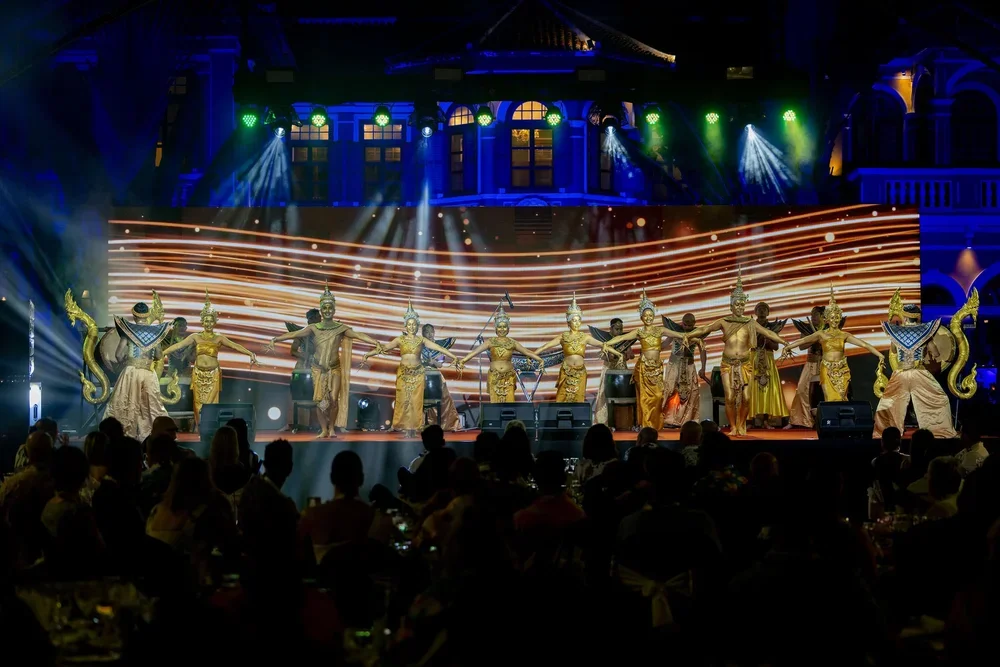
Most recently, this approach was applied during a multi-day overseas conference where we travelled with a client, provided full event coverage, delivered real-time photography throughout the program, and produced a same-day highlight film that was shown at the closing event. That environment — fast-moving, adaptive, and story-led — reflects where event content is heading more broadly. You can view our highlights here.
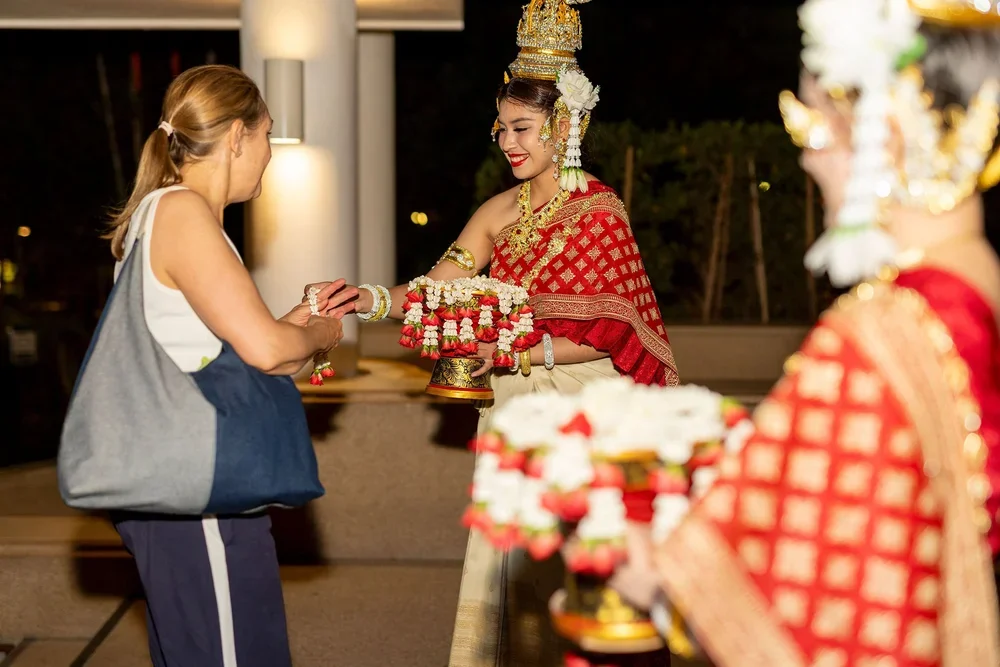
At this point, the difference in the industry is no longer technical. It is not about who has the best equipment or the highest output. It is about whether a team is capturing events or building content systems from them. One documents what happened. The other extends its impact long after the event has finished.
Corporate events in Melbourne are only becoming more complex, more content-driven, and more immediate in how they are consumed. Which means the real question is no longer whether an event was covered properly, but how far the story travels once the event is over — and that increasingly depends on how it was captured in the first place.
If you're planning an upcoming corporate event, conference, or brand activation and want to explore how real-time storytelling and high-end event coverage can extend the life of your content beyond the room, we’re always open to a conversation.